Learning Outcomes:
i. Discover the essential differences between constants and variables in C programming.
ii. Understand how variables can store and change values, while constants remain fixed throughout your program.
iii. Master the rules for naming variables effectively, enhancing your code's clarity and readability.
iv. Appreciate the fundamental role of constants and variables in building and manipulating data within your C programs.
Introduction:
Imagine building a house. You need bricks and wood (variables) that can be arranged and rearranged to create different rooms. But what about the foundation and walls? They need fixed, unchanging elements like concrete and steel (constants). In C programming, constants and variables play similar roles, holding and manipulating data that shapes your program's functionality. Let's dive into these fundamental building blocks and unlock their power for building amazing C applications!
i. Fixed and Flexible: The Essence of Constants and Variables:
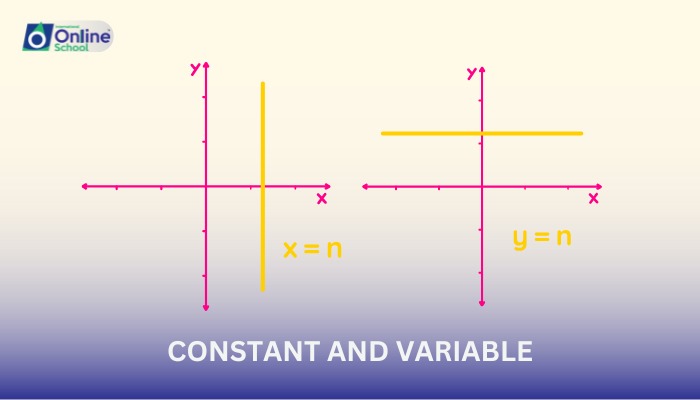
Constants: Think of them as unmovable pillars in your program. Their values are set once and remain unchanged throughout its execution. Imagine the ground beneath your house – always solid and reliable. Examples in C include "PI" (3.14) and the maximum value of an integer ("INT_MAX").
Variables: These are your flexible building blocks, like adaptable rooms that can change shape and function. Their values can be assigned, updated, and manipulated throughout your program, allowing your code to respond to different situations. Imagine walls that can be moved or windows that can be opened and closed. Examples include storing a user's age ("age") or calculating the area of a rectangle ("length" and "width").
ii. Naming with Clarity: Choosing the Right Words for Your Variables:
Just as a good house name reflects its character, your variable names should be clear and descriptive. Here are some tips:
Use meaningful names: Avoid generic names like "x" or "y". Instead, choose names that explain what the variable stores, like "studentName" or "totalMarks".
Keep it concise: Avoid overly long names that are difficult to read and understand.
Use consistent conventions: Follow common naming practices for different data types, like starting integer names with lowercase letters.
iii. The Power of Data Management:
Understanding constants and variables is crucial because they form the foundation of data manipulation in C. You can:
Store and retrieve data: Use variables to hold various types of data, like numbers, characters, or text.
Perform calculations: Use variables to store operands and results of calculations, like calculating an average or area of a shape.
Control program flow: Use variables as conditions to make your program make decisions and branch out into different paths.
Mastering constants and variables is like mastering the art of building with adaptable and reliable materials. By understanding their differences, choosing meaningful names, and utilizing them effectively, you can create C programs that are not only powerful but also clear, efficient, and maintainable. So, build your programming foundation with these essential building blocks, and watch as your C creations come to life, filled with dynamic data and endless possibilities!
